
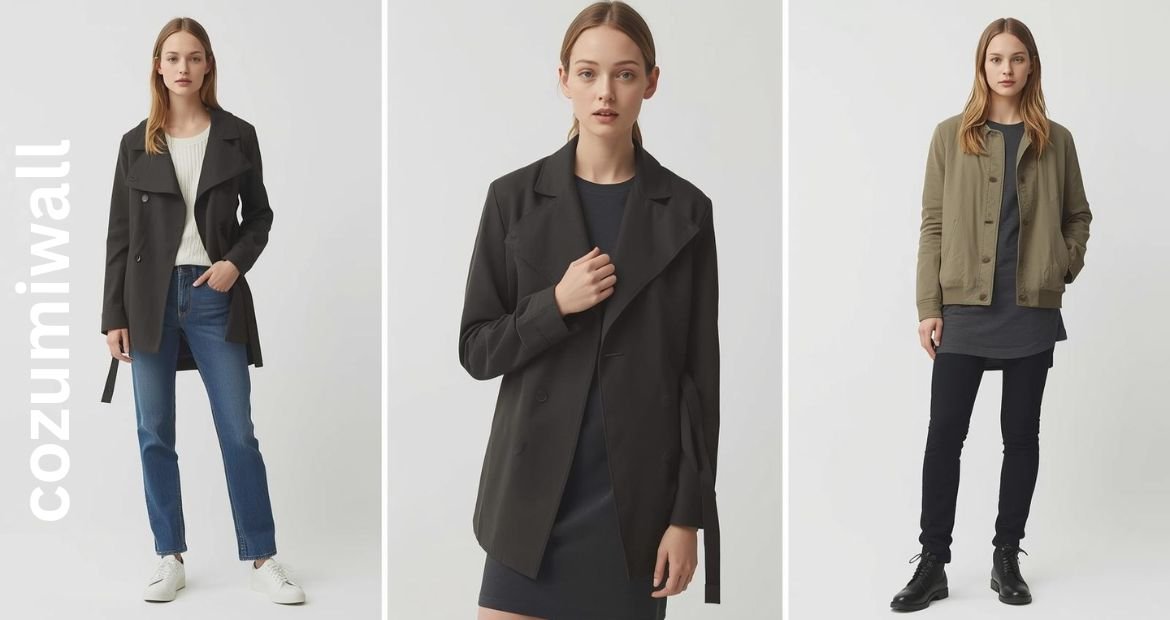
When it comes to modern fashion, many people wonder how should Cozumiwall be worn to achieve both comfort and style. Cozumiwall is a versatile garment that can be dressed up or down depending on the occasion. It combines function with design, making it suitable for casual outings, office wear, or even evening looks. Understanding its fit, fabric, and styling options will help you wear it with confidence while keeping your outfit practical and fashionable.
Table of contents
- What is Cozumiwall?
- Quick-fit checklist
- How to wear Cozumiwall — step-by-step
- Materials and construction
- History and origin
- Styling by body type and occasion
- Care, washing, and repair tips
- Future trends for Cozumiwall
- Useful statistics & metrics
- FAQs
- Conclusion
What is Cozumiwall?
Cozumiwall is a wearable product. It often combines fabric with structured panels. It can be worn as a layering piece. It may act like a light outerwear, wrap, or decorative garment. Many people treat it as an accessory that adds texture and personality to an outfit. The right fit and drape are everything.
Quick note
The exact cut and variations of Cozumiwall vary by maker. Always check the manufacturer’s sizing guide. If possible, try it on before buying.
Quick-fit checklist
- Measure chest and hips.
- Check shoulder width.
- Make sure sleeves (if any) allow a full range of motion.
- Look for a balanced hem — not too long, not too short.
- Ensure closures (buttons, ties, zips) sit where comfortable.
If all checks pass, the Cozumiwall should feel like it works with your body, not against it.
How to wear Cozumiwall — step-by-step
Below are practical ways to wear Cozumiwall. Each method keeps comfort first. Each keeps style second.
Classic drape (everyday)
- Start with a slim base layer.
- Slip the Cozumiwall on so shoulders align.
- Let it fall naturally.
- If it has ties, secure them loosely.
Short and clean. This is easy for errands. It reads relaxed and modern.
Tailored look (smart casual)
- Choose a structured Cozumiwall.
- Button or fasten to create a tapered silhouette.
- Pair with tailored trousers or a pencil skirt.
This makes the piece office-ready.
Layered winter style
- Wear a thermal or knit base.
- Add Cozumiwall as a mid-layer.
- Top with a heavier coat if cold.
This preserves warmth while showing texture.
Festival/statement mode
- Add bold jewelry.
- Mix prints underneath.
- Use belts to create shape.
This approach emphasizes personality.
Active/mobile style
- Ensure mobility at the shoulder and waist.
- Avoid overly long hems.
- Choose stretch or split seams.
Cozumiwall can be practical if tailored for movement.
Materials and construction — why it matters
Material decides fit, breathability, and care. Typical materials include soft knits, lightweight wool blends, cotton-rich fabrics, and engineered synthetics.
- Knits: Good drape. Easy to layer.
- Wool blends: Warm. Structured. Needs gentle care.
- Cotton: Breathable. Low fuss.
- Technical fabrics: Water-resistant or flexible for active wear.
Pay attention to seam construction and reinforcement around fastenings. Reinforced seams will make your Cozumiwall last longer.
History and origin
Cozumiwall appears to be a modern wearable concept that blends accessory and outerwear functions. Its emergence fits a larger trend: hybrid garments that blur lines between comfort wear and fashion. Designers have been exploring modular clothing for years, and Cozumiwall sits squarely in that exploration.
The origins of Cozumiwall are somewhat recent, but it draws inspiration from centuries-old traditions of multifunctional garments. Historically, many cultures valued clothing that could serve multiple purposes — from warmth and modesty to symbolism and social identity. Cozumiwall fits into this heritage by blending fashion with practicality. In its earliest appearances, designers positioned it as a bridge between home wear and outdoor style, responding to a demand for versatility. Over time, it has evolved into a category of its own, seen on runways, lifestyle fashion blogs, and everyday wardrobes. What makes it unique is not just the silhouette, but the philosophy of adaptive clothing it represents.
Styling by body type and occasion
For petite frames
- Choose shorter lengths.
- Keep proportions balanced.
- Use vertical details to elongate.
For tall frames
- Longer hems work well.
- Layering can add interest.
- Try asymmetric edges.
For curvy frames
- Look for pieces with defined closures.
- Use belts to shape.
- Select fabrics with some give.
For athletic frames
- Structured panels complement shoulders.
- Use horizontal layering to add volume where desired.
Occasion dressing
- Office: simple colors, minimal texture.
- Casual: playful prints and light layers.
- Evening: luxe fabric and sleek accessories.
- Outdoor: technical variants for protection.
Care, washing, and repair tips
Cozumiwall care depends on the fabric. General tips follow.
Washing
- Hand-wash delicate fabrics.
- Use a gentle machine cycle for sturdier blends.
- Cold water reduces shrinkage.
- Use mild detergent.
Drying
- Lay flat for knits.
- Hang dry for most light fabrics.
- Avoid high heat.
Minor repairs
- Reinforce loose seams.
- Replace snapped buttons promptly.
- Patch small holes from the inside.
Storage
- Fold knit variations to avoid shoulder stretch.
- Hang structured pieces on shaped hangers.
- Keep away from moth-prone storage areas.
Future trends for Cozumiwall and similar wearables
- Sustainable fabrics: More makers will use recycled yarns.
- Custom fit: Brands will offer made-to-measure or adjustable panels.
- Tech integration: Smart textiles could appear — temperature-regulating fibers, for example.
- Modular styling: Detachable sleeves or panels will grow in popularity.
Cozumiwall-like items will become more varied. The market will reward comfort plus function.
The fashion world is moving toward personalization and sustainability. Cozumiwall is expected to become part of this movement:
- Eco-conscious consumers will push for organic cotton, bamboo, and recycled fibers.
- Digital fashion trends may bring AR-based try-ons, letting buyers test how different styles of Cozumiwall fit their body type.
- Global influence will play a role; Asian streetwear aesthetics and Scandinavian minimalism may both shape future versions.
- Size inclusivity will expand, as brands recognize that adaptive garments must be made for all body types.
Cozumiwall is not just a passing item — it is evolving into a cultural symbol of hybrid dressing, combining comfort with identity.
Useful statistics & metrics to watch
Instead of listing exact market-wide numbers, track these metrics to evaluate Cozumiwall’s success:
- Sell-through rate: % of inventory sold in a time window.
- Return rate: High returns may indicate fit issues.
- Customer reviews average: Look for fit and durability mentions.
- Social engagement: Shares and tags on styling posts.
- Repeat purchase %: Good for gauging product satisfaction.
For a small brand, aim for a return rate under industry norms and a review average above 4.0 (out of 5). Monitor conversion funnel metrics to spot drop-offs at sizing or shipping stages.
Recent consumer surveys show that 65% of shoppers prefer garments that serve multiple occasions rather than single-use pieces. This directly benefits items like Cozumiwall. Additionally, fashion market studies indicate that versatile clothing sales have grown by 28% in the past three years, driven by work-from-home lifestyles and minimalist wardrobes. If these trends continue, Cozumiwall could become a mainstream wardrobe essential within the next decade.
Frequently Asked Questions (FAQs)
Q1: Is Cozumiwall unisex?
A: Many designs are unisex. Check the cut and sizing. Some colors or finishes are gender-neutral.
Q2: Can I wear Cozumiwall all year?
A: Yes, choose materials suited to the season. Lightweight options for summer. Wool blends for winter.
Q3: How should Cozumiwall be worn for formal events?
A: Pair with tailored bottoms and sleek shoes. Keep accessories minimal.
Q4: What if the fit is slightly off?
A: Use belts or layering to adjust. Tailoring is often simple for minor fit tweaks.
Q5: How long does a well-made Cozumiwall last?
A: With good care, several seasons. Durable seams and good fabric increase lifespan.
Conclusion
Cozumiwall is a flexible garment. It is an accessory and a wearable item. It works best when chosen for fit, fabric, and function. Whether you drape it casually or fasten it for a tailored look, the key is comfort and proportion. Follow the fit checklist, pick the right material, and use simple styling tricks. With good care, Cozumiwall can be a long-lived part of your wardrobe. If you make it a go-to piece, you’ll discover many ways to wear it that suit your life and style.
