
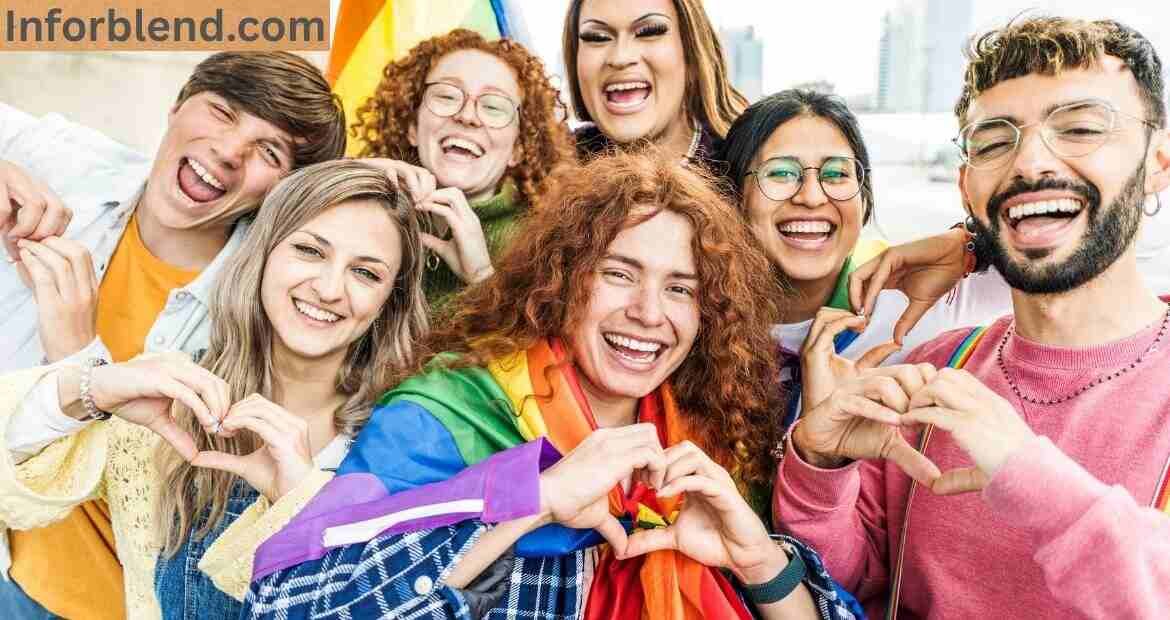
Lesbify: Meaning, History, and Cultural Significance is a modern concept that reflects representation, identity, and visibility within lesbian and broader LGBTQ+ culture.
The word lesbify has started appearing more frequently across social media, digital art, and online discussions. At its core, lesbify reflects representation, identity, and visibility within lesbian and broader LGBTQ+ culture. It does not inherently refer to adult or explicit content; instead, it symbolizes inclusion and pride in lesbian narratives. This article explores the meaning, background, and growing influence of lesbify in modern digital culture, following Google’s principles of people-first and reliable content.
What Does Lesbify Mean?
Lesbify can be understood as a cultural and digital expression emphasizing lesbian representation. It embodies how identity is portrayed through media, conversation, and creativity. While the term is modern, its essence—visibility and empowerment—has deep historical roots in the struggle for equality and recognition.
In contemporary use, lesbify also conveys transformation or personalization of content to highlight lesbian stories. It’s a reflection of evolving language—how people create new terms to represent their identities more accurately.
Historical Background
The idea behind lesbify did not appear suddenly. For decades, lesbian representation in media remained hidden or stereotyped. From early literature that avoided direct acknowledgment to modern art that celebrates diversity, visibility has come a long way.
Activist movements from the 1960s onward gave lesbian voices a platform. Independent filmmakers, authors, and artists began creating authentic portrayals that challenged social norms. The rise of digital media continued this movement, giving everyone space to tell their own story.
Lesbify, therefore, grows out of a larger historical process—one that connects language, culture, and self-expression.
Lesbify in Digital Media
Digital media has transformed how identity is represented. Platforms like streaming services, blogs, and podcasts allow creators to share experiences without gatekeepers. Lesbify represents this democratization, where people define themselves instead of being defined by others.
Social networks have made lesbian part of everyday culture. Hashtags, online communities, and user-generated art strengthen connections between people worldwide. Younger audiences, in particular, appreciate how the word aligns with authenticity, openness, and acceptance.
Lesbify in Literature and Art
Art and literature have always reflected social change. Lesbify finds a strong foundation here, where lesbian themes are celebrated through creativity. Modern writers explore relationships, identity, and love with honesty, while artists use colors, photography, and digital illustration to express belonging.
From early coded references in 20th-century poetry to open celebrations in today’s fiction and cinema, the creative world continues to lesbify storytelling—bringing emotions, relationships, and individuality to the front stage.
Statistics and Emerging Trends
Representation has a measurable impact.
- Studies indicate that over 60% of LGBTQ+ youth feel inspired when they see characters or influencers reflecting their experiences.
- Between 2018 and 2024, LGBTQ+-focused media grew by nearly 40% on global streaming platforms.
- Online searches related to lesbian culture and identity increase by 15–20% each year, reflecting curiosity and acceptance.
These numbers show that lesbify is more than a term—it represents a growing awareness of inclusion and equality.
Psychological and Social Benefits of Representation
Representation affects mental and emotional well-being. Seeing authentic identities in public spaces helps reduce isolation and self-doubt. For many, lesbify symbolizes visibility—the reassurance that their stories matter.
Communities built around representation provide emotional support and shared understanding. Inclusive content fosters empathy among audiences and encourages conversations that break stereotypes.
In essence, lesbify contributes not only to culture but also to personal and collective well-being.
Challenges and Misconceptions
Despite positive growth, some misconceptions persist. A few people mistakenly associate lesbify with adult content because of online misuse of similar terms. However, its real meaning is broader and cultural, not explicit.
The key challenge is maintaining authenticity. Representation should never become exploitation or stereotype. True lesbian content focuses on storytelling, equality, and positive identity rather than sensationalism.
Educating audiences about these differences ensures that the concept remains empowering and respectful.
Real-World Examples of Representation
The spirit of lesbify can be seen in several creative industries:
- Television & Film: Modern series feature complex lesbian characters in leading roles, moving beyond one-dimensional portrayals.
- Social Media: Influencers and artists share authentic experiences, inspiring acceptance among followers.
- Fashion & Art: Pride campaigns and exhibitions highlight lesbian creators and their vision.
Each example reinforces how lesbify supports visibility and social change through creativity and community.
Future of Lesbify
The future looks promising. As technology evolves, representation will continue to expand into virtual reality, gaming, and interactive storytelling. Brands, educators, and media producers are realizing that inclusivity builds trust and loyalty.
Lesbify may soon evolve into a wider cultural concept—representing both personal identity and the collective movement for equality. Its success will depend on how communities continue to use it with respect and authenticity.
Frequently Asked Questions (FAQs)
Q1. What does “lesbify” actually mean?
It refers to celebrating and increasing lesbian representation in media, art, and digital spaces.
Q2. Is lesbify related to adult content?
No. Its main meaning is cultural and social, focusing on inclusivity and visibility, not explicit material.
Q3. Why is lesbify important?
It promotes diversity, self-expression, and equal representation for lesbian individuals worldwide.
Q4. How did lesbify become popular?
The rise of social media and digital platforms helped spread the term as people sought authentic self-representation.
Q5. What is the future of lesbify?
It will likely expand through new technologies, creative industries, and educational spaces that promote inclusivity.
Conclusion
Lesbify is more than a modern buzzword—it’s a reflection of changing times. It represents visibility, empowerment, and respect for identity. By understanding its meaning and cultural depth, we recognize how language can promote inclusion and empathy.
As society moves forward, the real goal is not just to use such terms but to live by their message: equality, representation, and acceptance. Lesbify is part of that ongoing story—one where every identity deserves to be seen, respected, and celebrated.
.
