

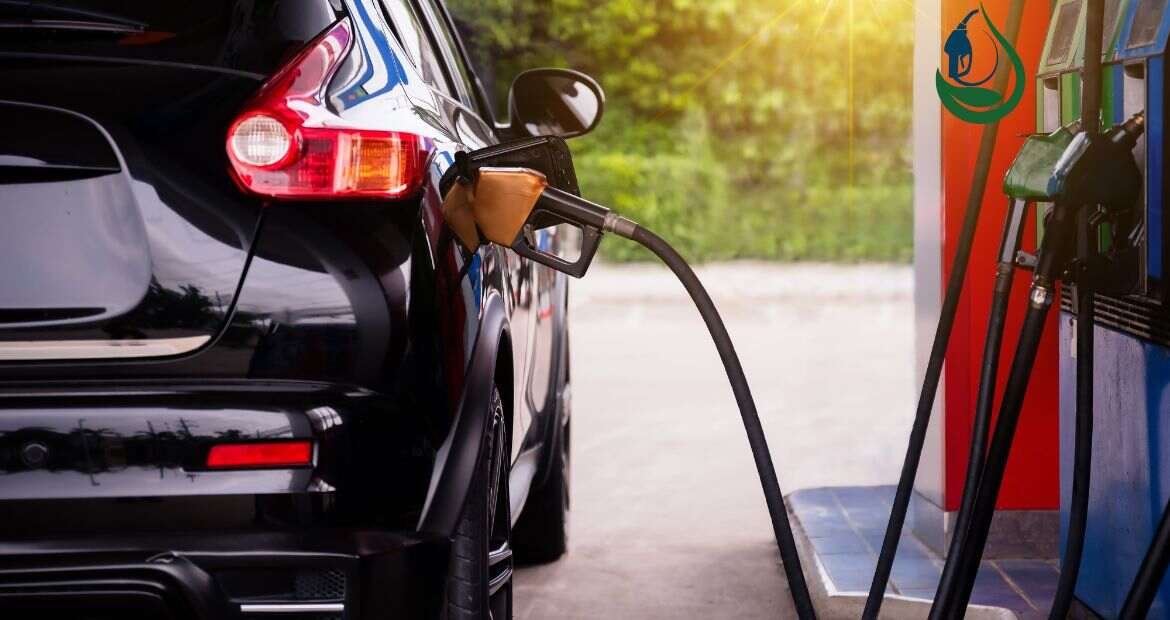
Sans Plombs 95 is one of the most widely used fuels in the world today. Commonly known as unleaded petrol with an octane rating of 95, it plays a crucial role in powering millions of vehicles across Europe, Asia, and other regions. This fuel is designed to meet modern engine requirements while minimizing environmental impact compared to older leaded fuels. It is a blend that balances affordability, performance, and cleaner combustion, making it the preferred choice for many drivers.
In this article, we will explore the origins of Sans Plombs 95, its technical features, environmental benefits, global consumption trends, and what the future holds as nations move toward cleaner and renewable energy sources.
The History of Sans Plombs 95
The story of Sans Plombs 95 begins with the global shift away from leaded petrol. For decades, lead additives were used to improve fuel performance and prevent engine knocking. However, growing scientific evidence showed that lead had devastating effects on human health and the environment.
By the 1970s and 1980s, governments started phasing out leaded fuel. Europe was one of the leaders in this transformation, and by the early 2000s, unleaded fuel had become the standard. Sans Plombs 95 was introduced as a balanced formula that offered the right octane level for modern vehicles without the harmful effects of lead.
This transition not only improved air quality but also paved the way for advancements in engine efficiency and emission control technologies. Today, Sans Plombs 95 represents a significant milestone in the journey toward sustainable mobility.
Alongside environmental concerns, another driving factor for introducing Sans Plombs 95 was the advancement of fuel injection systems and engine sensors. These technologies required cleaner-burning fuels to perform accurately. Leaded fuels damaged catalytic converters and oxygen sensors, leading to costly repairs. By adopting unleaded petrol, automakers could design engines with improved emission control systems, which later became mandatory under Euro emission standards in Europe.
Technical Features of Sans Plombs 95
- Octane rating: The “95” indicates its octane level, which helps prevent engine knocking.
- Composition: It is refined from crude oil and blended with additives that enhance stability, reduce deposit buildup, and optimize combustion.
- Compatibility: Sans Plombs 95 is suitable for most petrol engines manufactured after the 1990s.
- Performance: It ensures smooth engine operation, balanced fuel economy, and reduced wear compared to lower-grade fuels.
Engines designed for this fuel benefit from efficient combustion and longer lifespan. The controlled formula also allows car manufacturers to design engines with higher compression ratios, leading to better performance.
Environmental Benefits
One of the main reasons for the popularity of Sans Plombs 95 is its lower environmental footprint compared to older fuel types. Some of the benefits include:
- No lead emissions: Unlike leaded petrol, it does not release toxic lead particles into the air.
- Lower carbon monoxide output: It burns cleaner, reducing harmful gases.
- Catalytic converter friendly: It works well with catalytic converters, which help reduce nitrogen oxides and hydrocarbons.
- Reduced smog: Cities that adopted unleaded fuel saw significant decreases in urban smog levels.
Although Sans Plombs 95 is not a completely green solution, it has contributed to reducing air pollution and improving public health over the last few decades.
Global Statistics on Sans Plombs 95
- Around 80% of petrol sold in Europe today is Sans Plombs 95.
- Billions of liters are consumed every year, making it the backbone of transport in many countries.
- In regions like France and Germany, more than 70% of vehicles rely on unleaded petrol, with Sans Plombs 95 leading the market.
- According to industry data, the price of Sans Plombs 95 fluctuates based on crude oil costs, taxes, and refining expenses, but it often remains the most cost-effective fuel choice for drivers.
In France alone, Sans Plombs 95 accounts for nearly 60% of total petrol sales, making it the most popular choice among drivers. In Germany, the figure is closer to 50%, while in Southern Europe, such as Spain and Italy, consumption remains high due to the larger proportion of petrol-powered vehicles compared to diesel. On a global level, emerging economies in the Asia-Pacific are also witnessing a rise in Sans Plombs 95 usage as middle-class car ownership grows rapidly.
The Role of Sans Plombs 95 in Modern Transportation
Modern vehicles are optimized for fuels like Sans Plombs 95. Car manufacturers design engines to work with specific octane ratings, and using the right grade ensures maximum efficiency.
In Europe, petrol stations prominently offer Sans Plombs 95 alongside higher-octane alternatives such as SP98. While performance cars may require higher octane, most everyday vehicles operate best on Sans Plombs 95.
Its affordability compared to premium fuels has also made it popular among consumers who want a balance between cost and efficiency.
Future Trends and Alternatives
The future of Sans Plombs 95 is tied closely to the global energy transition. With climate change concerns and the rise of electric mobility, the demand for traditional petrol is expected to decline gradually. However, several trends shape its future:
- Biofuel blends: Sans Plombs 95 is increasingly being mixed with ethanol to reduce carbon emissions.
- Hybrid engines: Cars combining electric and petrol engines often use unleaded 95 for backup power.
- Decline in consumption: By 2040, experts predict petrol consumption could drop by as much as 30% in Europe due to electric vehicles.
- Green initiatives: Governments are pushing stricter carbon regulations, which may lead to reformulated fuels with even lower emissions.
While Sans Plombs 95 will remain essential in the coming decades, its dominance will slowly decrease as cleaner energy technologies take over.
Another development worth mentioning is the rise of synthetic fuels (e-fuels). Produced from renewable electricity and captured carbon dioxide, these fuels mimic traditional petrol but with a much lower carbon footprint. Several European automakers are investing in this technology to keep combustion engines viable beyond 2035, when the EU plans stricter carbon regulations. In this context, Sans Plombs 95 may be reformulated in the future to include a higher percentage of bioethanol or synthetic components, keeping it relevant in the transition to greener energy.
Frequently Asked Questions (FAQs)
Q1. What is Sans Plombs 95?
It is unleaded petrol with an octane rating of 95, widely used for cars and light vehicles.
Q2. Can I use Sans Plombs 95 in all cars?
Most modern vehicles can use it, but some high-performance engines may require higher-octane fuel.
Q3. Is Sans Plombs 95 eco-friendly?
It is cleaner than leaded fuel but still produces carbon emissions. It is considered a transitional fuel toward greener solutions.
Q4. What is the difference between Sans Plombs 95 and 98?
The main difference is the octane level. SP98 provides higher resistance to knocking and is better for performance cars.
Q5. Will Sans Plombs 95 disappear in the future?
It may not disappear completely soon, but its role will reduce as electric and renewable energy options expand.
Q6. Is Sans Plombs 95 cheaper than SP98?
Yes, Sans Plombs 95 is generally cheaper than SP98, sometimes by 5 to 10 cents per liter. This makes it the preferred option for budget-conscious drivers who do not require the higher-octane performance of SP98.
Q7. Does Sans Plombs 95 affect engine lifespan?
When used in vehicles designed for it, Sans Plombs 95 supports long engine life. Problems arise only if the fuel is used in engines requiring higher octane levels, which may cause knocking or reduced performance.
Conclusion
Sans Plombs 95 is more than just a fuel. It represents a significant technological and environmental shift in the history of transportation. From replacing harmful leaded petrol to becoming the standard for millions of vehicles, it has shaped mobility for decades.
While its environmental benefits are clear compared to older fuels, the global push for sustainability means that its future is limited. Hybrid systems, biofuels, and electric vehicles will continue to reshape the market, but Sans Plombs 95 will remain relevant for years as the world transitions to greener alternatives.

