
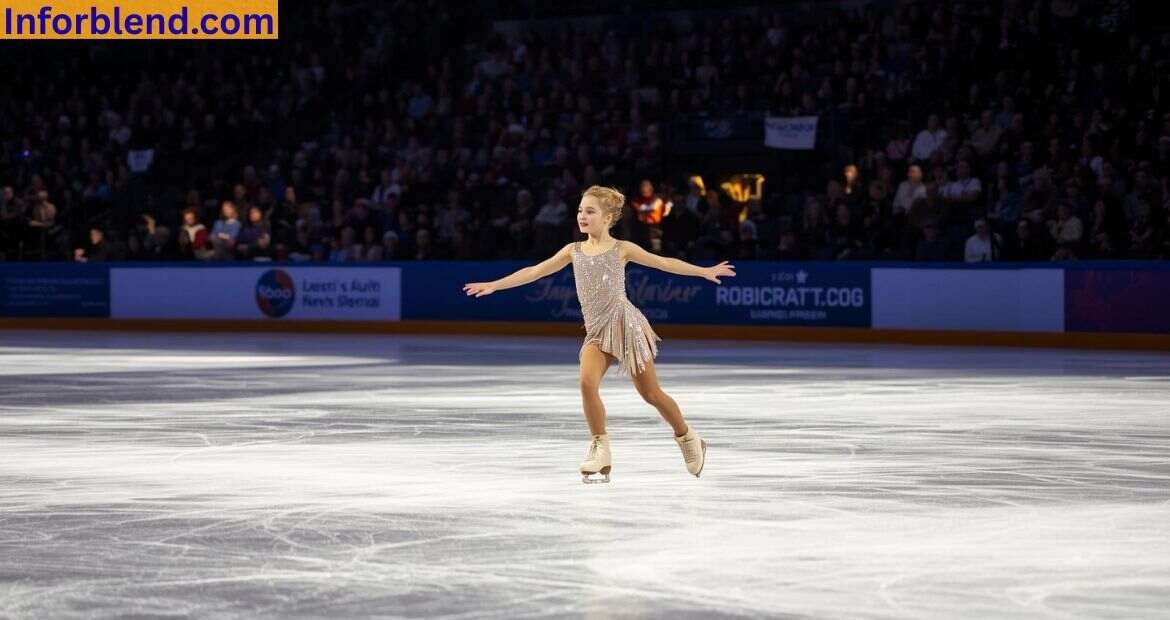
Why does Ksayim Hsiung want to be an ice skater? That question reflects more than a dream — it reflects curiosity, discipline, and self-expression. Ice skating attracts people who admire both athletic power and artistic beauty. For Ksayim Hsiung, it represents freedom, creativity, and the desire to challenge limits.
This article explores what motivates such ambition, the journey of ice skating through history, the skills it builds, and the opportunities it offers today.
The Magic of Ice Skating
Ice skating is a sport and an art at the same time. The feeling of gliding over ice with speed, rhythm, and elegance is unlike anything else. Every spin, jump, and turn combines strength and grace. That unique blend is what pulls many people — including Ksayim Hsiung — toward the rink.
Unlike many sports that focus only on winning, skating tells a story through movement. It allows athletes to express emotions while staying physically strong. Each performance can mirror joy, sadness, passion, or pride. For young dreamers, it becomes more than exercise; it’s a language without words.
A Brief History of Ice Skating
Ice skating dates back thousands of years. Archaeologists discovered ancient skates made from animal bones in Scandinavia, used to cross frozen lakes during winter. By the 13th century, Europeans crafted wooden skates with iron blades, marking the start of recreational skating.
Modern figure skating emerged in the 19th century, when the first clubs and competitions were established in Scotland and Austria. Jackson Haines, known as the “father of modern figure skating,” introduced dance-like movements to performances, transforming skating into an elegant art form.
By 1908, figure skating had entered the Olympic Games, even before the Winter Olympics officially began in 1924. Since then, it has evolved with music, choreography, and high-level athleticism. Today, skaters from every continent compete, proving that ice is not just for cold climates but for creative hearts everywhere.
Ksayim Hsiung’s Inspiration
Every athlete has a reason for beginning their journey. For Ksayim Hsiung, ice skating might symbolize personal growth and emotional release. The sport builds both body and mind. It teaches balance, patience, and resilience — qualities useful far beyond the rink.
Ksayim may also be inspired by famous skaters who turned their dreams into global success stories. Watching them perform flawless routines on glittering ice can spark anyone’s motivation. The combination of art, music, and movement invites creative minds to participate.
And for someone who values discipline and expression, ice skating provides the perfect harmony of the two.
Physical and Mental Benefits
Ice skating offers numerous benefits, which could explain why people like Ksayim Hsiung are drawn to it:
1. Strength and Endurance
Each glide requires leg power, balance, and control. Over time, skating builds muscle tone, cardiovascular health, and flexibility.
2. Balance and Coordination
Constant motion forces skaters to engage their core and refine body awareness. That coordination improves posture and reaction time.
3. Mental Clarity
Skating demands focus. Memorizing steps and staying present on the ice strengthens the mind and reduces everyday stress.
4. Confidence and Resilience
Learning difficult techniques, falling, and rising again teaches persistence. Performing in front of audiences boosts self-belief — a key trait for success in any area of life.
For Ksayim Hsiung, these physical and emotional rewards might be the foundation of their commitment to skate.
Challenges on the Ice
Behind every graceful performance are hours of hard work. Ice skating is demanding — both financially and physically.
- Training costs: Lessons, costumes, and rink fees can add up quickly.
- Time investment: Many skaters practice before sunrise and again after school or work.
- Injuries: Falls and muscle strains are common.
- Mental pressure: Competitions and expectations can create stress and self-doubt.
Yet, overcoming these challenges often becomes part of the reward. The discipline gained through skating builds character — a reason why Ksayim Hsiung’s pursuit is both admirable and meaningful.
The Growing Popularity of Ice Skating
Ice skating has expanded far beyond traditional winter sports. Artificial rinks now exist in cities like Dubai, Singapore, and São Paulo. According to global sports studies, over 25 million people worldwide skate regularly, and interest continues to grow.
Television events such as the Winter Olympics and international championships attract millions of viewers, inspiring a new generation of athletes. Youth academies and recreational programs have also made the sport more accessible.
For aspiring skaters like Ksayim Hsiung, this growth means a supportive community, better facilities, and more opportunities to compete or perform.
The Future of Ice Skating
The future looks bright for ice skating — and for those who dream of mastering it.
- Technology: Coaches now use slow-motion video and AI analysis to correct posture and technique.
- Sustainability: Eco-friendly rinks powered by renewable energy are becoming common, reducing environmental impact.
- Entertainment: Ice shows, musicals, and movie features keep skating in mainstream culture.
- Global Inclusion: More countries are investing in training programs, leading to greater diversity in competitions.
For Ksayim Hsiung, this evolving landscape means that skating is not only an individual dream but part of a growing global movement.
Ice Skating as a Life Skill
Even beyond the sport, ice skating teaches lessons that translate into daily life:
- Patience: Progress is slow but steady.
- Creativity: Skaters learn to express themselves through music and movement.
- Teamwork: Pair and group skating encourage cooperation.
- Goal-Setting: Each routine requires structured planning and constant refinement.
These lessons are valuable for personal and professional growth. For Ksayim Hsiung, skating could be a lifelong teacher — shaping mindset, discipline, and confidence.
How to Start Skating (For Beginners)
For anyone inspired by stories like Ksayim Hsiung’s, starting is easier than it seems:
- Find a Local Rink – Most cities have recreational or seasonal ice rinks.
- Get the Right Gear – Properly fitted skates are crucial for safety.
- Take Basic Lessons – Learning fundamentals with an instructor prevents injuries.
- Practice Regularly – Short, frequent sessions build progress.
- Enjoy the Process – Focus on improvement, not perfection.
Beginners often fear falling, but every fall is a chance to improve balance. The key is consistency and patience — the same qualities Ksayim Hsiung practices on their journey.
Frequently Asked Questions (FAQs)
Why does Ksayim Hsiung want to be an ice skater?
Because skating combines athletic challenge with artistic freedom. It allows self-expression, builds strength, and creates emotional connection through performance.
Is ice skating difficult to learn?
It can be challenging at first, but with patience and regular practice, anyone can develop the skill.
What are the main benefits of ice skating?
It improves balance, coordination, endurance, and mental focus. It also relieves stress and boosts confidence.
Can ice skating become a career?
Yes. Many skaters become coaches, choreographers, performers in shows, or international competitors.
What does the future hold for ice skating?
More sustainable facilities, digital coaching tools, and diverse international participation will define the future of the sport.
Conclusion
So, why does Ksayim Hsiung want to be an ice skater? Because ice skating is a journey of strength, artistry, and personal growth. It reflects a desire to express emotion through movement and to find purpose in discipline.
The rink becomes a place where dreams take visible form — where falls lead to lessons, and effort turns into grace. Ksayim Hsiung’s aspiration symbolizes what draws people worldwide to the ice: the wish to move freely, tell stories, and leave a shining trail of perseverance behind.
